Furnace Repair in Utah from Top-Rated Local Pros
Licensed, background-checked heating pros in your area. Same-day service available across Salt Lake City and all of Utah.
DOPL-Licensed Technicians
Every dispatch goes to a Utah-licensed HVAC contractor.
Same-Day Standard
Most calls dispatched within minutes; technician arrives in 2-4 hours.
Peak Winter 4-6 Hours
December through February cold snaps extend the response window.
After-Hours Dispatch
Evening, weekend, and holiday calls dispatched with longer arrival windows.
Get Connected with a Licensed Technician
Tell us about your heating issue and we will match you with the best available tech in your area.
Find a Tech Near You
Connect with a licensed technician in your area. Free estimates, no obligation.
Utah Heating Services
Six services that cover what most Utah homeowners actually need during winter. Each links to a deeper page with diagnostic detail, cost ranges, and Utah-specific guidance.
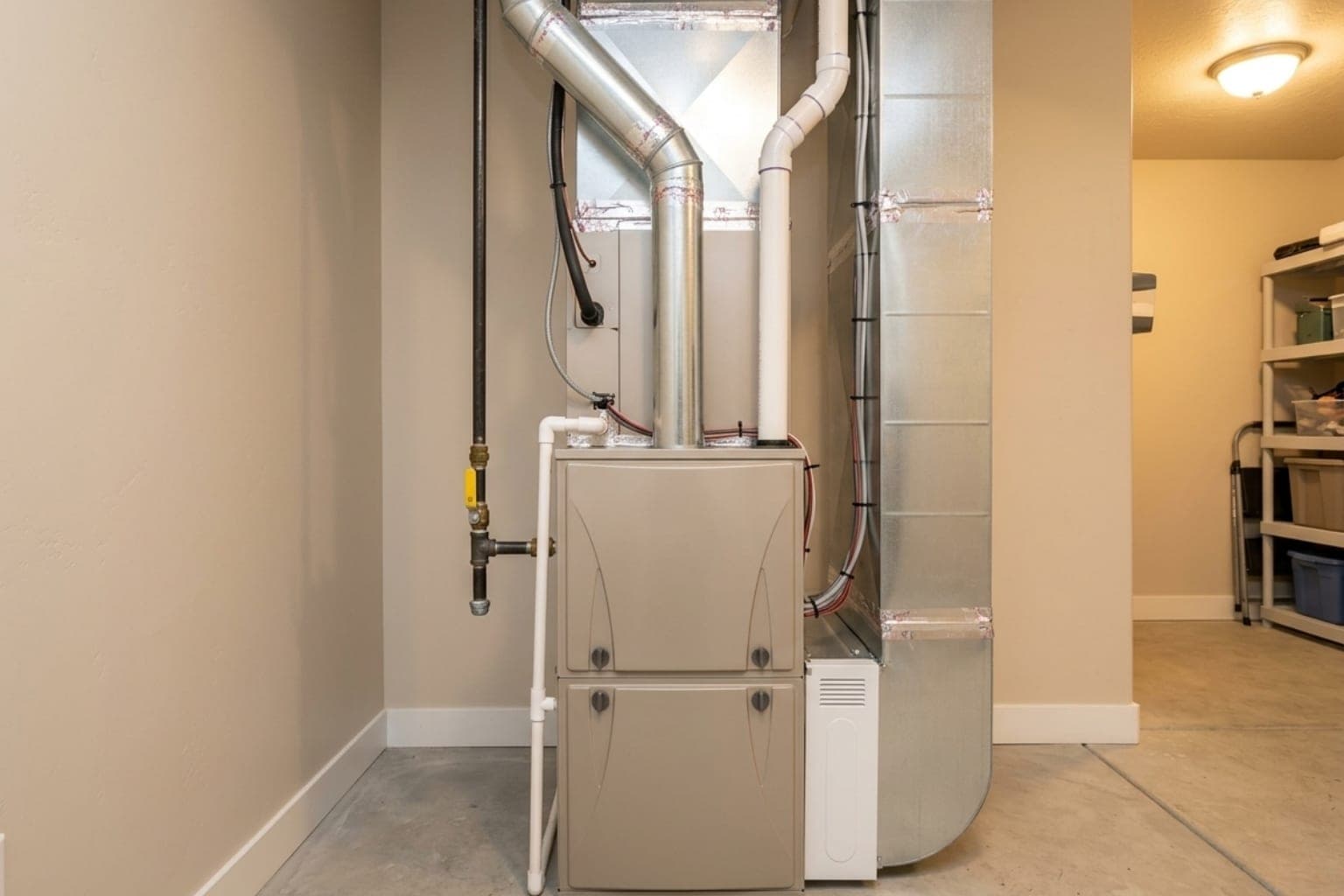
Furnace Repair
Diagnosis and repair for all furnace types and brands. Most repairs completed in a single visit with same-day parts availability.
Learn More →Heater Repair
Repair for every heating system: furnace, boiler, heat pump, mini-split, radiant, baseboard, or wall heater. We'll match you with the right specialist.
Learn More →Emergency Heating Repair
24/7 emergency dispatch for no-heat situations. Licensed technicians respond nights, weekends, and holidays across Utah.
Learn More →Furnace Replacement
When repair no longer makes sense. Free estimates, side-by-side cost comparisons, and honest recommendations.
Learn More →Furnace Maintenance
Annual 21-point tune-ups that prevent breakdowns, lower energy bills, and extend your system's life. Fall specials available.
Learn More →Boiler Repair
Service for hot water, steam, and radiant floor boiler systems. Specialized knowledge for older Salt Lake homes and modern condensing boilers.
Learn More →What Makes Furnace Repair in Utah Different
Utah furnaces don't fail the same way they do in California or Texas. A furnace that runs perfectly at sea level can overheat and crack in Sandy. A high-end boiler can scale up and short-cycle inside two years on Salt Lake City water. Five local conditions cause most of the heating problems we see, and a good technician adjusts for all of them. Here's what to know about each.
Why Altitude Affects Your Furnace
Furnaces are designed and tested at sea level. Salt Lake Valley sits between 4,200 and 5,000 feet, and Park City and Heber are even higher. At elevation, the air is thinner. A furnace burning the same amount of gas as it would in San Diego is essentially burning too hot for the air it has to work with. The visible signs are soot, an overheating cabinet, and a heat exchanger (the metal chamber where the burner heats the air your blower pushes through the house) that cracks years earlier than it should.
The fix is called a high-altitude derate, which means turning down the gas pressure so the furnace burns less per cycle. Most new furnaces shipped to Utah include a conversion kit for this, but it has to be installed by the technician and verified with a combustion analyzer (a meter that reads what's coming out of your flue). If your furnace was installed without that step, it's been running hot every cycle since day one. That's the single most common preventable cause of premature furnace failure on the Wasatch Front.
How Winter Inversions Affect Your Indoor Air
The Wasatch Front sits in a bowl. Roughly 30 days each winter, cold air gets trapped at the valley floor under a layer of warmer air above. That's an inversion. During those days, fine particle pollution (called PM2.5) builds up outside, but it also gets pulled inside every time your furnace draws return air. The cheap fiberglass filter that came with most furnaces (rated MERV 4 to 8) catches almost none of it. MERV is just the rating scale for how fine a filter is. Higher numbers catch smaller particles.
The best upgrade for Utah homes is a MERV 13 filter, which is fine enough to catch most of what an inversion drags in. But you usually can't just slot a MERV 13 into the 1-inch filter rack older Utah furnaces have. The denser media chokes airflow and can trip the furnace's safety shutoff. The proper retrofit is a 4 or 5-inch filter cabinet on the return duct, which gives the dense filter enough surface area to breathe. With Great Salt Lake exposing more dry lakebed each year, this filter conversation matters more than it used to.
How Salt Lake's Hard Water Damages Boilers and Tankless Heaters
Salt Lake City water averages 13 grains per gallon (gpg) of dissolved minerals, classified as “very hard.” Hardness varies a lot by neighborhood; the west side and parts of Herriman and South Jordan run anywhere from 7 to 22 gpg. Those minerals (mostly calcium and magnesium) settle out as scale on hot metal surfaces, and the hottest metal in your home is inside your boiler or tankless water heater. Untreated, the scale buildup can foul a brand-new boiler in under two years and void the manufacturer warranty.
The fix is two parts: a softener loop that pre-treats water going into the appliance, and an annual descaling service (the technician flushes a mild acid solution through the heat exchanger to dissolve mineral buildup). Tankless heaters need flushing every 12 months minimum, and twice a year in the hardest-water zones. A good technician will price descaling into your installation quote up front so you aren't blindsided by a service call 14 months in when the system starts short-cycling.
Dual-Fuel Systems: Setting the Right Switchover Temperature
Most heat pumps installed in Utah are paired with a gas furnace as backup. That's called a dual-fuel system. The heat pump handles heating on milder days because it's cheaper to run; the gas furnace takes over when temperatures drop low enough that the heat pump can't keep up efficiently. The temperature where the system switches from one to the other is called the changeover or balance point.
Set the switchover point too high (say, 40°F by default) and you're burning gas when the heat pump could still be doing the job for half the cost. Set it too low and the heat pump struggles, runs constantly, and your electric bill spikes. For the Salt Lake Valley climate, the right point is usually somewhere between 30°F and 35°F, but it depends on your specific equipment, your home's insulation, and your local electric vs. gas rates. The Rocky Mountain Power and Dominion Energy ThermWise rebate program also has minimum efficiency requirements (HSPF2 and AFUE ratings) that affect what equipment qualifies. A technician should set this for your home, not leave it at the factory default.
Older Utah Homes Have Combustion Safety Concerns Worth Checking
The Avenues, Marmalade, Liberty Wells, Sugar House, and Ogden's East Bench all have housing built before World War II. A lot of these homes still use original chimney flues that were built for coal furnaces and later converted to gas, or shared chimney chases that were never reinspected when newer furnaces were installed. When the venting isn't right for the furnace, exhaust gases including carbon monoxide can spill back into the house instead of going up the chimney.
Utah requires CO detectors in every home with a gas appliance, and that's the most important backstop. But on older homes, a tune-up should also include a combustion analyzer reading at the burner. That's the test that confirms the furnace is venting cleanly and not pushing CO into the air your family breathes. If your home was built before 1945 and you've never had this check done, it's the first thing to schedule. We connect homeowners with technicians who treat that test as standard, not optional.
What Utah Furnace Repair Actually Costs
Most Utah furnace homepages skip the price conversation. Here is what diagnostic visits, common repairs, and full replacements actually run on the Wasatch Front, plus the 2026 utility rebates that meaningfully reduce the cost of a new high-efficiency furnace or dual-fuel system.
Diagnostic and Service Call Fees
Every partner technician discloses the diagnostic charge before they roll out, and that charge is folded into the repair invoice the moment you sign off on the estimate. No separate line item, no double-billing. The dispatcher walks you through pricing when you call. The written estimate covers parts, labor, and any altitude calibration the job requires.
Common Repair Cost Ranges
Wasatch Front repair pricing varies by component, brand, and whether high-altitude calibration is part of the job. Typical ranges across the four-county service area:
Furnace igniter replacement: $150 to $300
Furnace flame sensor service: $80 to $200
Furnace blower motor: $400 to $800
Furnace control board: $500 to $1,200
Gas valve replacement: $400 to $900
Boiler circulator pump: $400 to $900
Heat pump capacitor: $150 to $400
Heat pump reversing valve: $600 to $1,500
Full furnace replacement (95% AFUE): $4,500 to $9,000
Full boiler replacement: $5,500 to $14,000
Full heat pump replacement (cold-climate): $6,000 to $12,000
These ranges are statewide medians for licensed contractors. Bench neighborhoods (East Bench, Avenues, Federal Heights, Park City) often run 10-20% above the range due to access difficulty, older equipment, and longer drive times for service.
When to Repair vs. Replace: The 5,000 Rule
A simple rule of thumb HVAC techs use: multiply your system's age in years by the repair quote. If the number is over $5,000, it's usually time to get a replacement quote alongside the repair estimate. Example: a 16-year-old furnace needing a $350 repair scores 5,600 (16 × 350), which means replacement deserves a serious look.
The threshold isn't identical for every system. Heat pumps wear out faster, so they hit replacement territory sooner. Boilers last longer, so an older boiler with a moderate repair can still come in under 5,000. A trustworthy technician will give you both numbers (repair and replace) when the call is close, not pressure you toward whichever is more profitable.
2026 Utah Utility Rebates That Lower the Cost
Two utility programs in Utah cut the upfront cost of a high-efficiency furnace, boiler, or heat-pump-plus-furnace setup. In many cases you can stack rebates from both. Quick definitions: AFUE is the percentage of fuel that becomes heat (95% AFUE means 95 cents of every dollar in gas turns into heat), HSPF2 measures heat-pump efficiency in heating mode, and SEER2 measures it in cooling mode. Higher numbers are better in all three.
Enbridge Gas ThermWise (active January 1, 2026):
- High-efficiency gas furnace (95% AFUE or better): $300 to $350
- Dual-fuel system (heat pump + gas furnace): $700 to $1,200 when the equipment meets HSPF2 7.5+ and SEER2 13.3+
- High-efficiency gas boiler (85% to 94.9% AFUE): $400
- High-efficiency gas boiler (95% AFUE or better): $600
- Boiler outdoor-reset control (saves fuel by adjusting boiler temp to outdoor weather): $100
- Energy recovery ventilator, also called an ERV (a fresh-air system that swaps stale indoor air for outdoor air without losing heat): $300
- Air sealing (caulking and weatherstripping by a contractor): $200 plus $0.10 per square foot, capped at $850
Rocky Mountain Power Wattsmart Homes:
- Heat pump rebates require an installer on Rocky Mountain Power's approved contractor list. DIY installations don't qualify.
- Program last updated February 27, 2026.
Federal §25C Energy Efficient Home Improvement Credit expired December 31, 2025. Installations performed in 2025 may still qualify for the credit when filing 2025 taxes; 2026 installs do not qualify. State and utility rebates above remain active. Rebate amounts and eligibility verified April 2026. Verify current amounts at thermwise.com and wattsmarthomes.com.
How It Works
Getting matched with a trusted furnace technician is simple. Here's how we connect you with the right pro.
Tell Us Your Issue
Call us or fill out the form with details about your furnace problem. Same-day dispatch available.
Get Matched with a Tech
We connect you with a licensed, background-checked technician in your area. Usually within minutes.
Problem Solved
Your technician arrives, diagnoses the issue, and gets your heating system running. Written estimate before any work begins.
Need a Furnace Technician? We'll Match You in Minutes.
Call now or fill out our form to get connected with a licensed, background-checked heating technician in your area. Same-day availability in most locations.
DOPL-Licensed · Same-Day Dispatch · After-Hours Available
Why Homeowners Trust Us
We vet every technician in our network so you don't have to. Here's what sets our partner techs apart.
Licensed & Insured
Every technician in our network is state-licensed, fully insured, and background-checked for your peace of mind.
Same-Day Service
Most service calls are scheduled within 2-4 hours. Emergency dispatch available evenings, weekends, and holidays.
DOPL-Licensed Network
Every technician we connect you with carries an active Utah Division of Professional Licensing (DOPL) HVAC contractor license and full liability insurance. License status is verifiable through the Utah DOPL public lookup.
Transparent Estimates
You receive a written estimate before any work begins. The diagnostic charge is stated up front and rolls into your repair invoice once you approve the work, so there is no separate billing for the visit. No hidden charges, no surprise add-ons after the technician arrives.
What Utah Homeowners Say
Real reviews from homeowners we've connected with trusted local technicians.
“Our furnace died on the coldest night of the year. I called Utah Furnace Repair and they had a licensed tech at our door within 2 hours. He diagnosed the problem, had the part on his truck, and we had heat before bedtime. Incredible service.”
Sarah M.
Salt Lake City, UT
“I was quoted $4,000 by another company for a furnace replacement. Utah Furnace Repair connected me with a tech who found the real issue: a $200 igniter replacement. Honest, skilled, and saved me thousands.”
Mike T.
Sandy, UT
“From the phone call to the finished repair, the whole experience was seamless. The technician was on time, explained everything clearly, and left the work area spotless. I’ll be using this service for all my HVAC needs.”
Jennifer R.
West Valley City, UT
“We needed a new furnace installed in our home in SunCrest. The tech they matched us with was knowledgeable about high-altitude installations and did an outstanding job. Highly recommend.”
David L.
Draper, UT
“Scheduled a fall tune-up through Utah Furnace Repair. The technician was thorough, found a cracked heat exchanger we didn’t know about, and probably saved us from a dangerous situation. So grateful for the quality of their network.”
Lisa K.
Murray, UT
“Fast, professional, and affordable. The tech arrived exactly when they said he would, fixed our furnace in under an hour, and the price was very fair. This is how home services should work.”
Robert H.
Bountiful, UT
Frequently Asked Questions
Service Areas Across Utah
Our network of licensed technicians serves communities throughout the Salt Lake City metro and beyond.
Salt Lake City
Salt Lake County
200,000+ residents
Sandy
Salt Lake County
96,000+ residents
Draper
Salt Lake County
51,000+ residents
West Valley City
Salt Lake County
140,000+ residents
West Jordan
Salt Lake County
116,000+ residents
South Jordan
Salt Lake County
77,000+ residents
Murray
Salt Lake County
50,000+ residents
Midvale
Salt Lake County
35,000+ residents
Taylorsville
Salt Lake County
60,000+ residents
Bountiful
Davis County
44,000+ residents
Layton
Davis County
82,000+ residents
Ogden
Weber County
87,000+ residents
Herriman
Salt Lake County
55,000+ residents
Riverton
Salt Lake County
45,000+ residents